
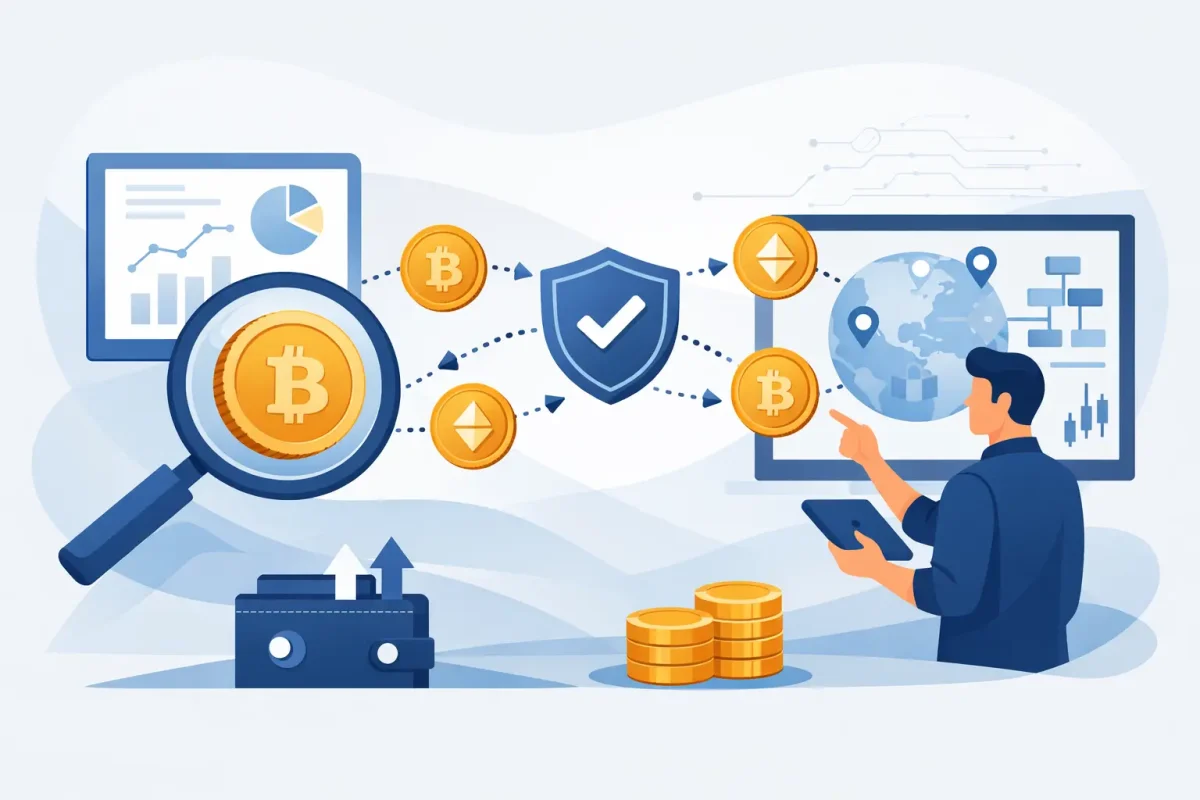
A wallet address can look anonymous at first glance, but fraud investigations rarely stop at first glance. In many cases, crypto transaction tracking reveals a usable trail – one that shows where funds moved, how wallets interacted, and whether the activity fits a scam pattern, laundering pattern, or legitimate transfer history.
That matters for more than curiosity. If you have lost funds in a crypto scam, suspect hidden digital assets in a dispute, or need evidence for counsel or law enforcement, the real question is not whether a blockchain records activity. It does. The question is whether that activity can be analyzed correctly, documented clearly, and translated into action.
What crypto transaction tracking actually means
Crypto transaction tracking is the process of following digital asset movement across blockchain addresses, transactions, smart contracts, and exchanges to understand who controlled funds, where they went, and what happened next. It combines blockchain data analysis with investigative reasoning.
The blockchain itself is only the starting point. A ledger may show that one wallet sent assets to another, but that alone does not explain whether the transfer was part of an investment scam, an over-the-counter deal, ransomware activity, internal theft, or an ordinary customer payment. The investigative value comes from context.
In practice, tracking often involves wallet clustering, timeline reconstruction, exposure analysis, anomaly detection, and attribution work. Investigators examine whether multiple addresses likely belong to one actor, whether funds were split to avoid detection, whether tokens were swapped before cash-out, and whether destination wallets connect to known exchanges or flagged entities.
Why it matters in fraud and asset investigations
When victims are told their crypto is gone forever, that is often an oversimplification. Recovery is never guaranteed, and some cases do end at dead ends, especially when funds move through privacy tools, cross-chain bridges, mixers, or poorly regulated offshore services. But many cases still produce meaningful intelligence.
That intelligence can support several outcomes. It may identify the exchange where funds were deposited, establish a timeline of deception, connect multiple victims to the same wallet infrastructure, or document laundering behavior in a way that strengthens a legal complaint. Even when immediate recovery is not possible, precise tracing can turn a vague loss into evidence.
For businesses, crypto transaction tracking can also expose internal misconduct, unauthorized wallet use, vendor fraud, or suspicious treasury movement. For attorneys, it can help support asset dissipation claims, damages analysis, injunction applications, and structured forensic reporting. For individuals in divorce, partnership, or inheritance disputes, it can help determine whether digital assets were concealed, transferred, or converted.
How blockchain forensics follows the trail
Most people imagine tracking as a straight line from one wallet to the next. Real investigations are rarely that clean. Funds may be fragmented across dozens or hundreds of outputs, routed through decentralized exchanges, bridged into another chain, converted into stablecoins, or consolidated again before reaching a custodial service.
A sound forensic process starts with verified source data. That usually includes victim wallet addresses, transaction hashes, exchange records, screenshots, wallet exports, emails, chat logs, and any known scam touchpoints. From there, analysts reconstruct transaction paths and map the flow of value over time.
Wallet clustering and behavioral analysis
One address does not always equal one person, and one person rarely uses only one address. That is why professional tracking relies on behavioral indicators as much as raw transaction visibility. Reuse patterns, timing, common counterparties, gas funding, token approval activity, and withdrawal structure can all help show control relationships between wallets.
This is where technical experience matters. Automated tools can flag patterns, but they can also overstate connections or miss key distinctions. A credible investigation uses software to accelerate analysis and human review to test assumptions.
Exchange exposure and off-ramp identification
One of the most important steps in crypto transaction tracking is determining whether funds reached an identifiable service provider. If assets arrive at a centralized exchange, payment processor, or custodial platform, that can create an investigative opportunity.
It does not mean the account holder is immediately known. It means there may be a point where a regulated entity holds records, account identifiers, IP logs, KYC documentation, or withdrawal history. That information usually requires legal process, regulatory engagement, or law enforcement involvement, but tracing the route to that service is often the first critical milestone.
What crypto transaction tracking can and cannot do
There is a lot of misinformation in this field. Some firms overpromise recovery. Others act as if blockchain analysis alone identifies the thief with certainty. Neither is a responsible position.
Crypto transaction tracking can often show fund movement with high precision. It can connect addresses, identify likely laundering stages, detect links to exchanges, and produce structured evidence. It can also help separate real leads from false hope, which is valuable when clients are under pressure and time matters.
What it cannot always do is name the final human actor without supporting records. If funds pass through privacy coins, mixers, chain-hopping strategies, mule accounts, or noncompliant offshore venues, attribution becomes harder. Not impossible in every case, but harder. The difference between traceable and actionable often depends on speed, available documentation, jurisdiction, and whether a regulated intermediary touched the funds.
Common cases where tracking is used
The most urgent cases usually involve scams. Investment fraud, romance scams, fake recovery scams, impersonation schemes, and advance-fee crypto platforms frequently rely on wallet structures that can still be analyzed after funds move.
Corporate matters are different but no less important. A business may suspect that an employee diverted digital assets, that treasury funds were transferred without authorization, or that a vendor payment route was manipulated. Here, the goal is often not just tracing but preserving evidence for internal action, insurance, litigation, or referral to authorities.
There are also civil disputes where digital assets are relevant but not openly disclosed. A spouse, partner, trustee, or debtor may shift holdings into self-custody wallets, move them across chains, or liquidate them through exchange accounts. Tracking can help establish whether those movements occurred and whether they fit a pattern of concealment.
What to do if you need crypto transaction tracking
Start by preserving everything. Do not delete messages, wallet screenshots, platform dashboards, emails, or transaction records, even if they seem incomplete. Small details often matter later, especially account names, timestamps, deposit instructions, and wallet addresses copied from chats or websites.
Act quickly, but do not act blindly. Victims often get targeted a second time by so-called recovery agents who promise guaranteed returns for an upfront fee. A legitimate investigator should be clear about process, evidence standards, and limits. No serious professional can promise a recovery outcome before reviewing the wallet trail and surrounding documentation.
You should also avoid continuing communication with the suspected fraudster unless advised for a specific reason. In many cases, ongoing contact only gives the other side time to move funds further or alter account access. The priority is to secure your accounts, preserve records, and begin a proper forensic review.
Why reporting quality matters as much as tracing
A trace is only useful if it can be understood and used. That is where many technical analyses fail. They produce screenshots, address lists, and confusing flow diagrams without a clear narrative of what happened, what is probable, and what should happen next.
Professional reporting should translate blockchain activity into findings that a client, attorney, compliance team, or investigator can actually work with. That includes transaction chronology, wallet attribution analysis, movement summaries, exposure to service providers, supporting exhibits, and careful language around certainty levels.
For high-stakes matters, that reporting standard is not optional. If your objective is legal action, regulatory escalation, asset recovery support, or structured case development, the analysis needs to hold up under scrutiny. Firms such as Lunar Detective approach this work as both a technical and evidentiary exercise, because tracing alone is not enough when the next step depends on credibility.
Crypto leaves records. The challenge is turning those records into intelligence before the trail gets colder, more fragmented, or more expensive to pursue.
