

What Is a VASP Attribution Report and How Does It Support Law Enforcement Filings?
When individuals or corporate entities fall victim to cryptocurrency fraud, filing an initial police report or submitting an complaint to agencies like the FBI Internet Crime Complaint Center (IC3) is an essential first step. However, victims quickly run into a major hurdle: law enforcement agencies are overwhelmed with generic crime reports.
Submitting a complaint that simply states “I lost 50,000 USDT to a fraudulent website” rarely prompts immediate investigative action. Investigators and cyber units lack the bandwidth to manually trace raw transaction hashes for every incoming file.
To move a case from an intake queue to active investigation and exchange freeze directives, victims and trial attorneys utilize a VASP Attribution Report.
This forensic guide explains what a VASP Attribution Report is, how it translates raw blockchain data into court-admissible evidence, and why it is the key to securing law enforcement intervention.
Defining a Virtual Asset Service Provider (VASP)
To understand an attribution report, one must first understand the legal definition of a Virtual Asset Service Provider (VASP).
As defined by the international Financial Action Task Force (FATF), a VASP is any business entity that conducts activities or operations on behalf of customers involving:
-
Exchanges between virtual assets and fiat currencies.
-
Exchanges between one or more forms of virtual assets.
-
Transfer of virtual assets.
-
Custody or administration of virtual assets or instruments enabling control over virtual assets.
While scammers use unhosted private wallets and decentralized smart contracts to execute fraud, their ultimate goal is usually liquidating digital assets into fiat currency. This requires transferring funds into custodial entities—predominantly centralized exchanges (e.g., Binance, Coinbase, OKX, Kraken) operating as regulated VASPs.
What Is a VASP Attribution Report?
A VASP Attribution Report is a specialized financial forensic document generated by certified blockchain analysts. It traces the flow of stolen digital assets from a victim’s wallet across intermediary blockchain addresses, decentralized exchanges (DEXs), and cross-chain bridges until the funds reach a specific, custodial deposit address controlled by a VASP.
[Victim Incident Data] ---> [On-Chain Tracing & Graph Parsing] ---> [VASP Entity Identification] ---> [Forensic Attribution Package] ---> [Law Enforcement / Legal Service]
Key Elements Included in a Professional Report:
-
Executive Summary & Net Loss Verification: Complete calculation of stolen assets adjusted for transaction timestamps and real-time market value.
-
Unbroken On-Chain Path Analysis: Step-by-step transaction logs mapping every hash, block height, execution timestamp, and token contract.
-
Wallet Cluster Attribution: Mathematical proof connecting intermediate “peeling chain” wallets to a single controlled perpetrator entity.
-
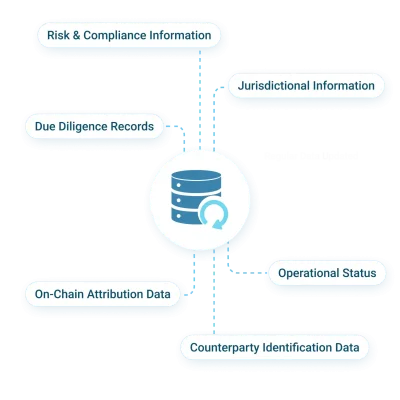
VASP Identity & Jurisdictional Data: Detailed legal profiles of the target exchange, including corporate registration details, compliance contact portals, and primary operating jurisdictions.
-
Certified Analyst Affidavit: Formal sign-off by accredited specialists (such as Certified Fraud Examiners or Blockchain Forensic Specialists) verifying chain of custody.
How a VASP Attribution Report Empowers Law Enforcement Filings
1. Accelerates the FBI IC3 Financial Fraud Action Chain
When high-value crypto fraud is reported to the FBI IC3, the Recovery Asset Team (RAT) evaluates whether immediate asset hold requests can be sent to domestic or international exchanges.
Attaching a structured VASP Attribution Report gives federal agents a pre-packaged, verified roadmap. Agents do not have to spend days parsing raw node data; they can immediately verify the endpoint and issue formal hold requests or preservation letters to the target exchange.
2. Provides the Foundation for Subpoenas and Search Warrants
Law enforcement officers cannot issue legal orders based on speculation. To obtain a grand jury subpoena, court order, or seizure warrant, investigators must show probable cause that specific illicit assets reside in a specific account.
A VASP Attribution Report provides the precise account numbers, deposit IDs, and transaction trails required by prosecutors to draft sworn search warrant affidavits.
3. Enables Cross-Border Legal Requests (MLAT & Letters Rogatory)
Cybercrime syndicates frequently operate across international borders. When domestic law enforcement needs assistance from foreign authorities (via Mutual Legal Assistance Treaties / MLATs), foreign courts require verified technical documentation.
Our investigative team builds court-ready forensic reports designed for judicial submission. Review our full practice standards on our Cryptocurrency Recovery & Forensic Services page.
The Structure of an Actionable VASP Attribution Report
+---------------------------------------------------------------------------------+
|                         VASP ATTRIBUTION REPORT STRUCTURE                        |
+---------------------------------------------------------------------------------+
| SECTION 1: Incident Audit (Victim Wallet, Net Loss, Initial Hashes)             |
| SECTION 2: On-Chain Flowchart & Hop Analysis (DEX Swaps, Bridges, Clustering)   |
| SECTION 3: VASP Endpoint Identification (Exchange Name, Deposit Address, KYC ID) |
| SECTION 4: Chain-of-Custody & Certified Analyst Signature                       |
+---------------------------------------------------------------------------------+
Section 1: Incident Audit & Compromise Analysis
Establishes how the initial unauthorized transaction occurred—whether via direct transfer, compromised private key, or malicious smart contract authorization.
Section 2: Flowchart & Multi-Hop Parsing
Provides visual multi-layered network graphs alongside tabular data detailing every intermediate wallet hop.
Section 3: Target VASP Identification
Identifies the exact exchange deposit wallet, user account ID (where accessible via public tags), and target corporate compliance jurisdiction.
Section 4: Chain of Custody & Verification
Documents that all data was extracted from immutable public ledgers using verified forensic software platforms without data tampering.
For direct information regarding our firm’s credentials and licensing, visit our dedicated About Us page.
Red Flags: Generic Reports vs. Evidentiary Standards
Not all “crypto tracing reports” are created equal. Victims must beware of low-quality online tools or fraudulent operators offering automated “one-click PDFs”:
-
Static Block Explorer Screenshots: Simple screenshots of Etherscan or Tronscan do not constitute a VASP Attribution Report. They lack entity attribution, cluster analysis, and analyst certification.
-
Unverified Claims & “Guaranteed Recovery”: Legitimate forensic firms provide objective technical facts. They never guarantee that an exchange will automatically release funds without formal legal or police intervention.
-
Primary Source Citations: Credible reports reference official standards established by regulatory bodies like the Financial Action Task Force (FATF).
Frequently Asked Questions (FAQ)
What is the difference between a block explorer link and a VASP Attribution Report?
A block explorer link displays a single transaction between two raw wallet addresses. A VASP Attribution Report analyzes hundreds of interconnected transactions, applies heuristics to group wallet clusters, identifies the specific corporate exchange operating the recipient wallet, and formats the findings into a sworn legal document.
Can a VASP Attribution Report be used in civil court lawsuits?
Yes. Attorneys frequently attach VASP Attribution Reports as expert witness exhibits to support motions for emergency Mareva injunctions, Norwich Pharmacal discovery orders, or John Doe subpoenas.
How long does it take to produce a VASP Attribution Report?
Depending on the complexity of the laundering trail (such as the number of cross-chain bridges or DEX swaps involved), a comprehensive forensic report is typically completed within 48 to 96 hours.
Prepare Your Forensic Evidence Package Today
If you or your legal counsel are preparing to file formal complaints with law enforcement or initiate civil legal action following a digital asset theft, having verified forensic evidence is essential.
Contact the certified forensic analysts at Lunar Detectives today for a confidential assessment of your transaction details.
Disclaimer: Lunar Detectives is an independent licensed private investigation firm specializing in financial forensics and asset tracing. We are not a law firm or law enforcement agency. All forensic attribution reports are compiled for evidentiary use by law enforcement officers and licensed attorneys.
