

By Lunar Detectives | Cyber Fraud Recovery & Financial Investigation Experts
Finding unauthorized bank transactions on your statement is stressful, especially when you do not know who made the payment, where the money went, or how long it will take to resolve. The first question most victims ask is: how long do bank fraud investigations take?
There is no single answer. A simple unauthorized card payment may get a first response within days, while a bank transfer fraud investigation involving several accounts, international payments, or an online scam can take weeks or months. The type of fraud, the number of transactions, the quality of your evidence, and your bank’s procedures all affect the bank fraud investigation timeline.
Lunar Detectives supports individuals and businesses dealing with suspected financial and cyber fraud through financial transaction analysis, digital evidence review, and investigative research. This guide explains the bank fraud investigation process, what slows cases down, and what you can do while you wait.
How Long Do Bank Fraud Investigations Take?
Bank fraud investigations have no fixed length: a simple unauthorized transaction can be reviewed in days, while complex cases take several weeks or months. The time depends on the payment method, the complexity of the suspected fraud, and the financial institution’s procedures.
The ranges below are general planning estimates, not guaranteed deadlines or universal banking standards.
| Investigation stage | Possible timeframe | What happens |
|---|---|---|
| Initial fraud report | As soon as possible | You report suspicious activity and ask the bank to protect the account |
| Initial review | Days to several weeks | The bank reviews the claim and may request supporting records |
| Additional investigation | Several weeks or longer | Multiple transactions, disputed details, or other parties need further examination |
| Dispute or recovery outcome | Varies considerably | The bank communicates its decision or next steps under its procedures |
These stages can overlap. The time needed to investigate a transaction is also different from the time needed to reach a refund decision or return funds. If you suspect fraud, contact your bank or payment provider immediately rather than waiting to estimate the timeline.
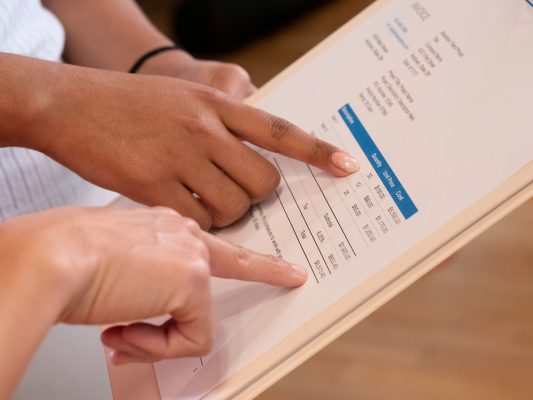
Seven Factors That Affect the Bank Fraud Investigation Timeline
Seven factors explain most of the difference between a case resolved in days and one that runs for months.
1. The type of bank fraud
An unauthorized debit card transaction is reviewed differently from a transfer you authorized after being deceived by a scammer. Other cases involve stolen online banking fraud credentials, fake invoices, impersonation, or a fraudulent investment platform. A few clearly documented payments are easier to assess than many payments to several recipients with conflicting explanations.
2. The number of transactions involved
A single suspicious payment is easier to reconstruct than a series of transfers over days or months. Complex cases can involve several accounts, payment apps, currencies, or intermediaries. A chronological transaction summary helps you spot repeated payments, changed payment instructions, and gaps in the records.
3. Authorized or unauthorized payment
Banks assess unauthorized transactions differently from payments a customer initiated after being deceived. Each raises different questions about account access, payment authorization, and the records needed. Report the facts accurately, including whether you approved the payment and what you understood at the time.
4. The evidence you can provide
Complete records speed up a suspicious transaction investigation. Useful items include:
- Bank statements and transaction confirmations
- Payment references and recipient details
- Emails, text messages, and chat histories
- Invoices or documents connected to the payment
- Website addresses and online platform information
- Dates of contact and payment requests
- Records of your communication with the bank
Preserve original files rather than relying only on edited screenshots.
5. Other accounts or financial institutions
A transaction may pass through another bank, a payment provider, or an account linked to an online platform. When a case crosses institutions or borders, reporting channels, documentation requirements, and response times differ. Private investigators cannot automatically access confidential banking records or compel banks to disclose information, so available records and the organizations involved shape the timeline.
6. Online scams and cryptocurrency
Some bank fraud reports are tied to fake trading platforms, romance scams, or crypto purchases. The bank transfer may be only one part of a larger sequence, so the review may include online communications and the platform involved. Blockchain analysis can trace publicly visible transactions, but it does not automatically reveal a wallet owner’s identity or guarantee recovery. See our cryptocurrency private investigator services for cases involving online financial deception.
7. Requests for more information
An investigation takes longer if the bank needs more documents, your explanation needs clarification, or transaction details are disputed. Respond promptly, keep copies of everything you submit, and ask the bank to explain any outstanding request and the next expected step.
The Bank Fraud Investigation Process, Step by Step
Procedures vary by bank and country, but the bank fraud investigation process usually follows five stages.
- Report the suspicious transaction. Contact the bank through an official channel and explain the suspected fraud. Ask about blocking affected cards, securing online banking access, and monitoring for further unauthorized activity. Get a reference number.
- Review the transaction. The bank examines transaction records, authorization details, and account activity. It may ask you for more documentation or clarification.
- Gather supporting information. You may be asked for receipts, communications, invoices, or details of a suspected scam. Keep a copy of everything you submit and note the date and method of each communication.
- Further assessment. Complex cases may need extra checks or coordination with other organizations. If an online scam is involved, separate investigative work can help you understand how it operated and what evidence exists beyond the bank transfer.
- Outcome or next steps. The bank communicates its decision or explains what happens next. If you disagree, ask for the reasons in writing and which review or dispute options remain.
The end of a bank’s review does not mean every part of a wider financial fraud investigation is finished. A separate inquiry may still be useful when other payments, online identities, or potential assets are involved.
Financial Transaction Tracing and Digital Evidence Analysis
Speed matters in online banking fraud and fraudulent bank transfer recovery, because funds can move within hours. Two investigative disciplines support a stolen money investigation.
Financial transaction tracing reconstructs where funds went: a single beneficiary account, a chain of intermediary accounts, a payment platform, or a crypto exchange. The more hops involved, the longer this takes, and tracing a transaction does not by itself recover the money. Some records can only be accessed through authorized channels.
Digital evidence analysis reviews emails, text messages, online profiles, website details, and device or login records to show how a fraud developed and whether a transaction was authorized. Preserved original records give investigators the context that edited screenshots lose.
Together, these methods can produce a clear timeline for your bank, regulators, or law enforcement. They support your case but do not control a bank’s timeline or guarantee a decision.
How Lunar Detectives Supports Bank Fraud Recovery While the Bank Investigates
A bank focuses on its own review and obligations. A separate investigative review helps you understand the wider circumstances of the suspected fraud. Lunar Detectives combines investigative skills, digital forensics, transaction analysis, and advanced research methods in four areas:
- Reviewing financial records. We build a transaction timeline, compare payment details, and flag gaps or inconsistencies, which helps when you made several payments or received conflicting instructions from a suspected scammer.
- Examining digital communications. Emails, messages, online profiles, and website details can explain why a payment was made and how the fraud developed.
- Investigating online platforms and identities. We examine the platform, the claims made to you, and related online identities to find inconsistencies and leads, without assuming every suspicious detail proves wrongdoing.
- Assessing asset-tracing leads. Transaction records and research can point to how funds moved or to related assets. Learn more about our asset tracing services.
As a cyber fraud recovery company and provider of bank fraud recovery services, we explain what the evidence supports and where our work stops. We cannot guarantee that a bank will make a particular decision or that lost funds will be recovered.
What to Do If Your Bank Fraud Investigation Is Taking Too Long
If your case seems stalled, six steps keep it moving:
- Ask for a status update through an official channel and confirm the current stage.
- Check what is outstanding. Ask whether the bank needs documents, statements, or explanations from you.
- Record every communication: dates, reference numbers, departments, and information provided.
- Request explanations in writing for any decision or delay.
- Protect your accounts. Keep monitoring activity and secure any exposed credentials.
- Consider independent investigative support for complicated online scams, multiple transfers, or unclear transaction activity.
Hiring an investigator will not automatically speed up a bank’s process. Independent work supports your understanding of the case but does not control the bank’s timeline.
How to Choose a Cyber Fraud Recovery Company
Choose a cyber fraud recovery company with a clear investigative scope, verifiable experience, transparent fees, and realistic expectations. Be cautious of any company that guarantees a refund, claims it can instantly unlock funds, or demands extra payment to release money supposedly already recovered. Before you proceed, ask:
- What specific investigative work will be carried out?
- Which records and information are needed?
- What findings or reports will you receive?
- What are the costs and limitations?
- How will sensitive information be protected?
- Can the company’s identity and credentials be independently verified?
Frequently Asked Questions
How long does a bank fraud investigation usually take?
There is no universal timeframe. Some cases get an initial review within days or weeks, while complicated investigations can take considerably longer. The timeline depends on the type of fraud, the number of transactions, the evidence available, and the bank’s procedures.
Can a bank fraud investigation take several months?
Yes. Complex cases involving multiple transactions, disputed details, or several financial institutions can take months. Ask your bank for a case-specific update rather than relying on a general estimate.
Does a longer investigation mean my claim will be rejected?
No. The length of an investigation does not by itself show whether a claim will be accepted. Delays can come from requests for more information or the complexity of the transaction.
Can Lunar Detectives speed up a bank fraud investigation?
We cannot control a bank’s internal process or guarantee a faster decision. We can help organize evidence, examine transaction details, and investigate wider leads that clarify the suspected fraud.
Can stolen money be recovered after a bank transfer?
Recovery depends on the payment method, how quickly you report, where the funds went, and the options available through the financial providers involved. Contact your bank or payment service promptly. An investigation can clarify the transaction history, but recovery is not guaranteed.
What information should I prepare for an investigation?
Prepare transaction receipts, bank statements, payment references, communications with the suspected scammer, relevant website links, and a timeline of events. Keep original records, and never share passwords, one-time authentication codes, or cryptocurrency recovery phrases.
What if the bank says its investigation is complete?
Ask for the outcome and reasons in writing, and ask which review or dispute options remain. If the incident involves wider online fraud or multiple transactions, separate investigative support can help you organize the evidence and identify unanswered questions.
Get Investigative Support From Lunar Detectives
So, how long do bank fraud investigations take? It varies, but the steps that matter most are the same in every case: report suspicious activity promptly, protect your accounts, and preserve the evidence.
If you are dealing with a complicated bank transfer, an online investment scam, or suspected cyber fraud, Lunar Detectives can help you assess the available information and identify investigative leads through transaction analysis, digital evidence review, and asset-tracing analysis where appropriate.
Investigation timelines vary, and no investigator can guarantee that a bank will make a particular decision or that lost funds will be recovered.
